+86 18203993035
info※※com



+86 18203993035
info※※com

En general, the survival of microorganisms in the biofertilizer production It is the most critical factor affecting the quality and efficiency of the final product. Since beneficial microorganisms are sensitive to environmental changes, producers must maintain optimal conditions at each stage of the process. By properly managing the temperature, humidity, organic matter and pH, manufacturers can significantly improve microbial viability.
To protect the survival of microorganisms in the production of biofertilizers, functional microorganisms and fermentation microorganisms must be added separately. This is because the fermentation temperature of the fertilizer exceeds the 60 ℃, which can damage functional microorganisms.
Later, You can add the functional bacteria after drying the fertilizer using a coating machine. This approach prevents heat damage during high temperature stages, while ensuring that microbial activity is effective.
Free quote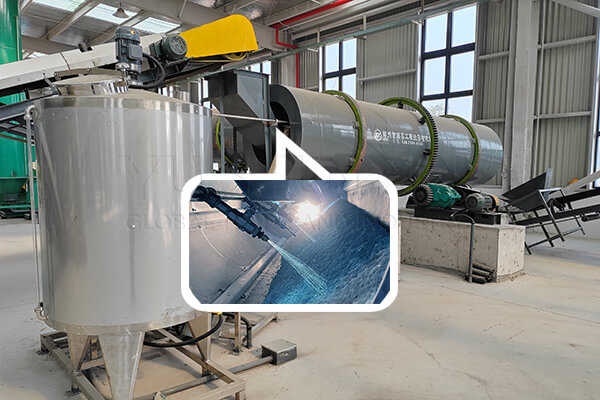
It is necessary to control the temperature in the production of biofertilizers between 20 ℃ y 40 ℃.
Organic matter provides nutrients to microorganisms. If levels are too low, Microorganisms will lack energy sources; if they are too high, Anaerobic conditions can be generated that harm beneficial bacteria.
At the beginning of the process, una C/N ratio of 30-35:1 promotes rapid multiplication of microorganisms. After the compost matures, This relationship must be reduced to 15-20:1 to ensure stability and nutrient availability.
Use raw materials such as manure, Crop residues and plant waste not only supply carbon and nitrogen, but also maintains the ideal content of organic matter between the 50 % y el 70 %, which favors long-term microbial viability.

Excess moisture can encourage the growth of unwanted microorganisms, while low humidity can induce dormancy of microorganisms. This is especially important when adding fermentation bacteria to organic waste composting.. In this case, You can process organic manure first with dewatering machine. This can reduce humidity quickly by 30 %.


Ultimately, The survival of microorganisms in the production of biofertilizers depends on precise management of the environment. By controlling the temperature, regulate humidity, maintain adequate organic matter content and adjust pH to suit the needs of specific functional microorganisms, will be able to offer biofertilizers with high microbial counts, long shelf life and reliable agricultural benefits.

YUSHUNXIN, a subsidiary of the YOTO Group, offers comprehensive solutions (turnkey) and equipment for the manufacture of organic fertilizers, compounds and type BB, management of animal manure and mineral waste. We offer a comprehensive service, from machinery design and manufacturing to installation and training.
NPK Fertilizer Manufacturing Production of SSP Phosphate Fertilizers Organic Fertilizer Solutions Biofertilizer Production Chicken Manure Management Bovine Waste Management
Office in Uzbekistan
Tashkent Public Street, Taskent, Uzbekistan
Branch in Indonesia
Golf Island, Jl. Pantai Indah Kapuk Ruko N.º 20, Block J, Jakarta, Jakarta Special Capital Region, 14470, Indonesia
Get a free quote
 Contact
You cannot copy the content of this page


