+86 18203993035
info※※com



+86 18203993035
info※※com

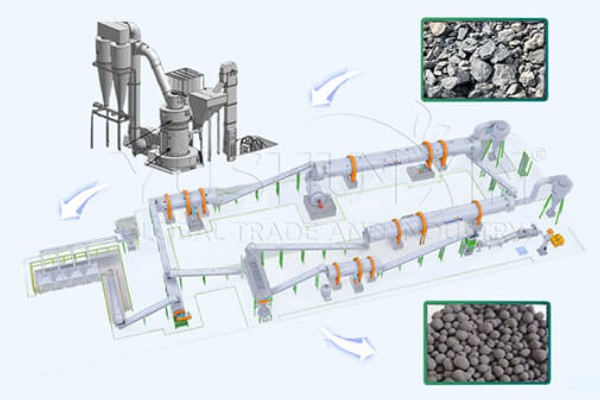
In the compound fertilizer production, The project to manufacture SSP phosphate fertilizers is preferred by a large number of fertilizer manufacturers. This is because it contains a large amount of phosphorus elements, which play an important role in the germination and fruiting of plants. But, How to produce SSP compound fertilizers? Mainly, SSP phosphate rock and concentrated sulfuric acid/nitric acid are used as raw materials, followed by crushing, mix, acidification, aging, grinding, cribado y embalaje. Besides, you can also choose to process it further into SSP granules. Finally, Don't forget to filter waste gases to meet local environmental requirements.
Learn moreThe main materials for the production of phosphate fertilizers SSP are phosphate rock and concentrated sulfuric acid/nitric acid. However, It is not advisable to use them directly to prepare the required phosphate fertilizer.. There are some necessary processes that must be followed.
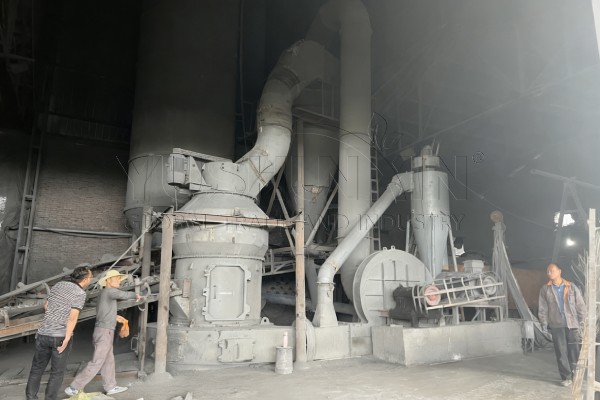
For better production of SSP compound fertilizer, It is recommended to crush the phosphate rocks into powder first. This is because the SSP powder can be completely mixed with the liquid acid material.. Besides, powder material is very beneficial for making phosphate fertilizer pellets.
In this case, We recommend using a jaw crusher to break the rocks into small particles.. Then, A Raymond mill is an excellent option for further grinding the small SSP particles into a fine powder.. Free quote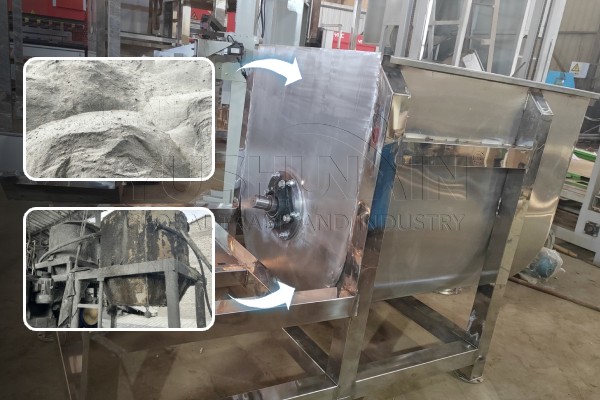
In addition to phosphate rocks, Concentrated sulfuric acid is also an important material for the production of SSP phosphate fertilizers. Therefore, to produce quality phosphate fertilizers, it is necessary to mix the phosphate rock powder with concentrated sulfuric acid evenly.
for this, we can offer you suitable fertilizer mixing equipment, like small mixers, big, disk verticals and several horizontals. Free quote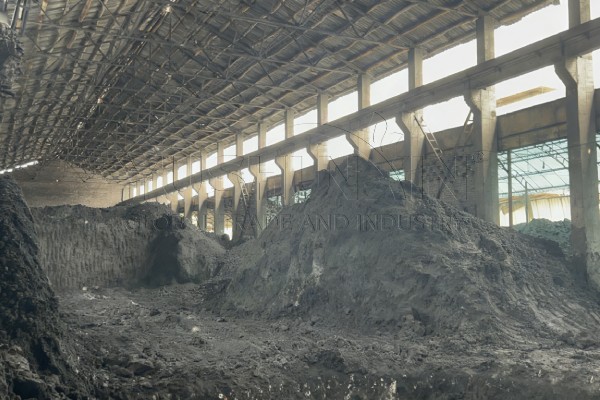
Then, The mixture of phosphate rock powder and acid must be transported to a closed room. in this place, the mixture will react completely to form the material needed. This process is called acidification and generally takes between 3 y 4 hours.
Is this the end? No. Due to the mixture of phosphate rock powder and liquid acid, The SSP acidified material has a moisture content of 50%-60%, which does not meet the requirements for further processing. Therefore, after acidification, an aging process must be carried out on SSP materials + acid. Free quote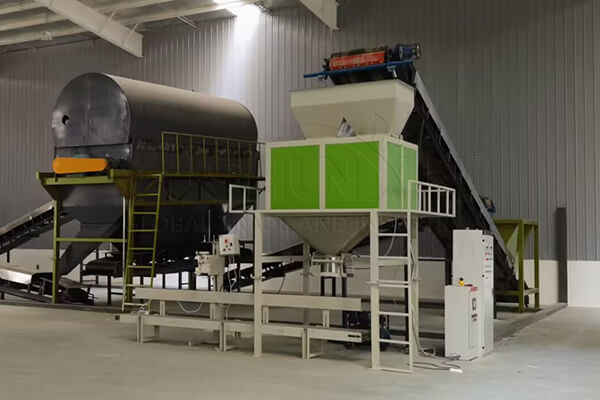
If you do not plan to prepare SSP granular fertilizer and only need 3 steps, can sell finished phosphoric fertilizer powder to your customers: trituration, tamizado y embalaje.
As a professional fertilizer equipment producer, YUSHUNXIN can offer you an ideal plan for manufacturing SSP phosphate fertilizer powder. Free quoteHowever, if you want to prepare SSP fertilizer granules, after aging, hay 2 steps you must complete.
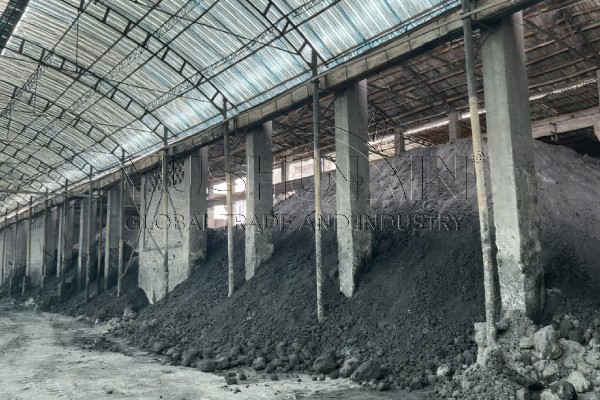
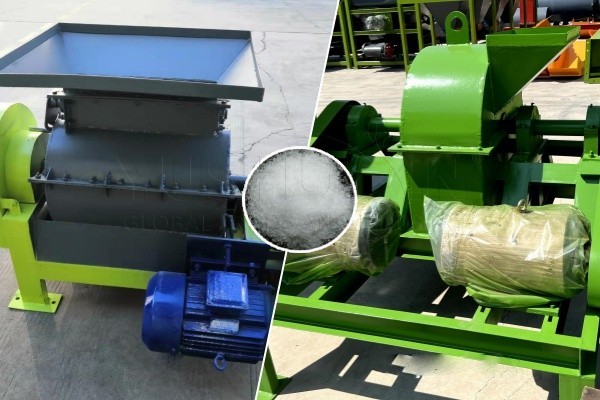
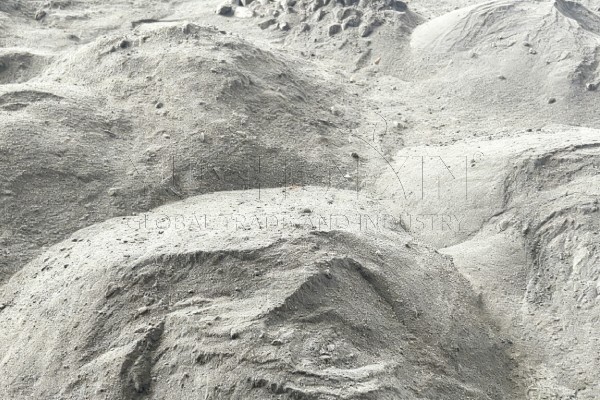
Before starting the manufacturing of SSP fertilizer granules, it is necessary to grind the aged chemical materials again. This is because the particle size of the material is closely related to the granulation effect of the fertilizer.. The finer the material powder, The easier the production of SSP pellets will be and the more attractive they will be in appearance.. However, because it mixes phosphate rock powder with concentrated sulfuric acid/nitric acid (liquid), aged SSP materials will form many agglomerates. Therefore, you will need to grind them into a fine powder with a suitable grinder.
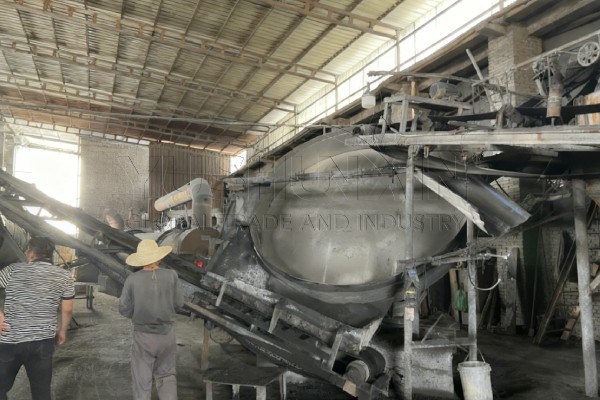
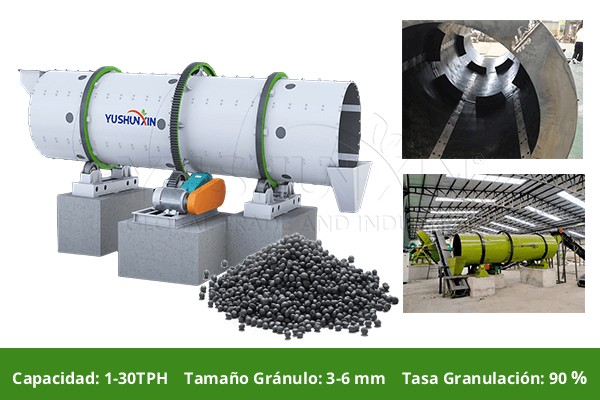
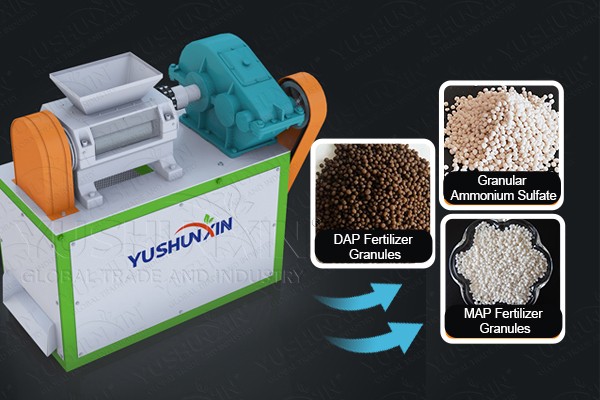
Next, can take the most important step: SSP phosphate fertilizer granulation. Here we recommend three types of granulators for NPK compound fertilizers. When only small-scale production of SSP fertilizers begins, It is advisable to purchase one granuladora de disco, whose capacity is 1 a 6 t/h. However, for large-scale production of SSP fertilizer pellets, drum granulator is the most suitable, since it has a large output capacity 1 a 30 t/h, allowing you to efficiently manufacture fertilizers in large quantities. Is there a granulation plan for phosphorus fertilizers at a lower cost?? Claro que sí. He granulador de doble rodillo is designed for you, since it adopts dry granulation method, allowing you to save on drying and cooling costs.
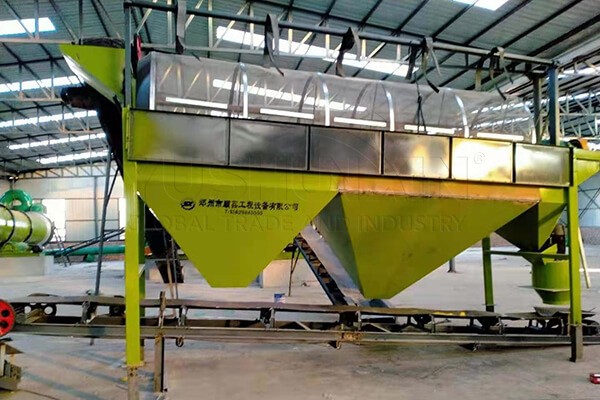
A quality standard in the manufacture of granular fertilizers is uniform size. However, There is no equipment that guarantees a granulation rate of the 100% of SSP pellets with the required size. Entonces, How can you sift the chemical fertilizer granule that can enter the next process? Rotary granule screener is here!! With galvanized steel mesh, can divide the phosphate fertilizer balls into small sizes, medium and large. After screening, small and large size granules can be returned to the crushing and granulation process.
As mentioned above, Dry granulation with the double roller granulator does not require further drying. However, drying and cooling are necessary in wet granulation of SSP materials with disc and drum granulator. The reason is that, after wet granulation, The moisture of the fertilizer pellets is about a 20%. Although it is not high, does not yet meet the requirements for long-term storage. Therefore, must incorporate a dryer and a cooler after the disc granulator and the drum granulator.
In general, This is the end of the project line to manufacture SSP phosphate fertilizers. Packaged fertilizer is more convenient for storage, transportation and use. For this process, YUSHUNXIN can also provide you equipos automáticos de embalaje, with a quantitative precision of 2 ‰. This machine will help you pack the finished SSP fertilizer pellets into bags quickly.
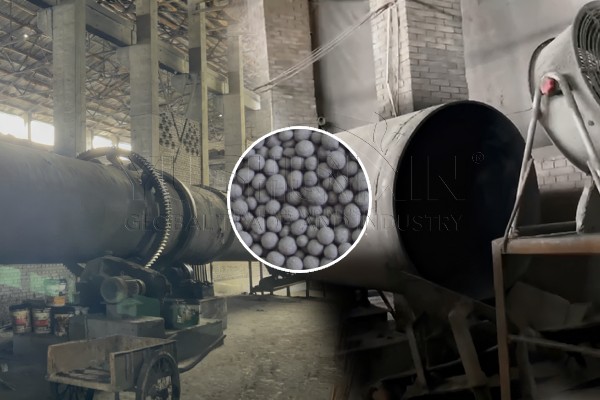
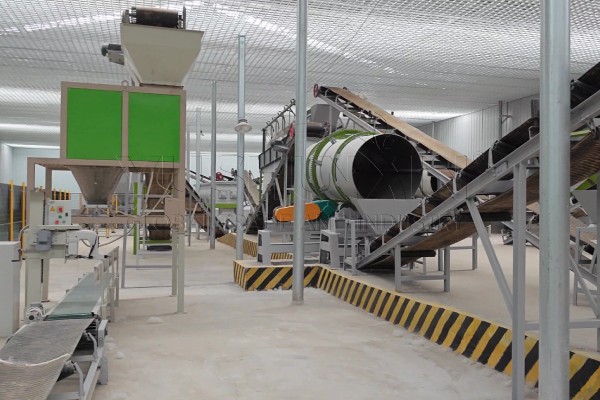
For the installation of a project plant to manufacture SSP phosphate fertilizers, There is one aspect that you should take into account.: waste gas treatment. To avoid environmental pollution, waste gases generated in the manufacture of phosphate fertilizers are inevitable. But, How to make waste gases harmless? We recommend you purchase our dust collector with water curtain. Under the action of water, The waste gases will be converted into hydrofluoric acid and hexafluorosilicic acid, which will meet international discharge requirements.
Free quote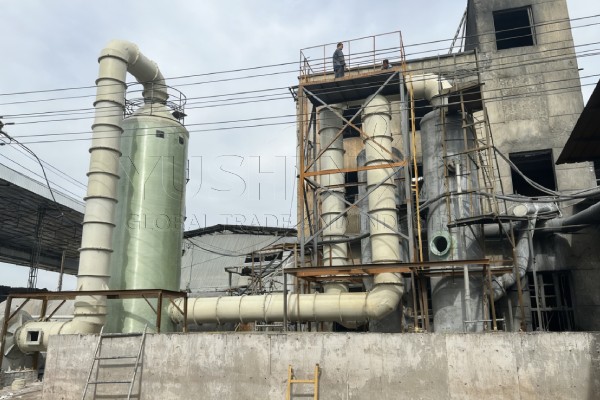
In addition to the plan for the production of phosphorus fertilizers from phosphate rocks, We can also offer you many other systems for making fertilizers from mineral waste.. Like limestone fertilizer production line, zeolite granulation plans, inter alia. Or you can also choose to use the mineral waste in the NPK fertilizer production. Feel free to contact us for your own fertilizer business plan.

YUSHUXNIN Engineering Equipment Co., Ltd., business plan maker and equipment for fertilizer production in Türkiye. From the design of the project and the machinery manufacturing through installation and operational training, we offer you a comprehensive service.
NPK Fertilizer Manufacturing Production of SSP Phosphate Fertilizers Organic Fertilizer Solutions Biofertilizer Production Chicken Manure Management Bovine Waste Management
 Golf Island, PIK, Block J No.20, Jakarta 14470
 117208
Moscow, Cheratnovo Severnoye, c. Cheratnovskaya, BP room
117208
Moscow, Cheratnovo Severnoye, c. Cheratnovskaya, BP room 12417 E
Amherst Circle, Aurora, CO 80014, EE. UU.
12417 E
Amherst Circle, Aurora, CO 80014, EE. UU. Calle
Boudemagh Messaoud, lot number 45 - Cheraga
Calle
Boudemagh Messaoud, lot number 45 - Cheraga Tashkent public road, Taskent, Uzbekistan.
Get a free quote
 Contact
Contact
Contact
You cannot copy the content of this page


